Why a Radon Test St Louis Homeowners Should Not Skip
@myradonteststlouistoday
If you own a home in St. Louis, you have probably heard about radon. But the truth is, many homeowners still put off a simple radon test st louis. I have seen it happen again and again. People assume that since their house is new or well-sealed, they are safe. That assumption can be costly. Radon is a radioactive gas that comes from the natural decay of uranium in the soil. It moves up through the ground and into your home through cracks in the foundation, gaps around pipes, and even through the water supply. You cannot see it, smell it, or taste it. The only way to know whether it is present at harmful levels is to perform a proper radon measurement.
St. Louis sits in a region where the geology makes radon a real concern. The Missouri radon risk is not uniform across the state, but many areas in and around St. Louis have been flagged by the EPA as having the potential for elevated indoor radon levels. The EPA action level is 4 picocuries per liter of air. If your test shows a number above that, you need to take action. But even levels between 2 and 4 may warrant consideration of a mitigation system, especially if you have children or spend a lot of time in the basement. I have worked with families who tested at 3.9 and thought they were fine. A few years later, a retest showed 6.2. By then, they had already spent thousands of hours in that basement home theater.
How a Home Radon Test Works
A home radon test is not complicated, but it does require following the instructions carefully. Most initial tests use an activated carbon device. You place it in the lowest livable level of your home, leave it there for the required number of days, and then send it to a lab. The lab analyzes the activated carbon for trapped radon decay products and gives you a result. Short-term tests last between 2 and 7 days. Long-term tests go for 90 days to a year and give a more accurate average. For a preliminary picture, a short-term test is a good starting point. But do not treat a single short-term test as the final word. Radon levels can change with weather, season, and how you run your HVAC system.
I once helped a family in the Central West End who tested in the summer and got a reading of 2.1. They felt relieved. I suggested they test again in the winter when the house is closed up and the stack effect is stronger. That second test came back at 5.8. They ended up needing a full radon mitigation system. The point is, one test is a snapshot. If you really want to understand your radon risk, consider doing a radon test st louis in two different seasons or investing in a continuous radon detector that logs levels over time.
What To Do If Your Test Is High
If your radon measurement comes back above 4 pCi/L, do not panic. Radon mitigation is a proven, effective solution. The most common approach for homes with a basement or slab-on-grade foundation is sub-slab depressurization. This involves drilling a small hole through the concrete floor, creating a suction point under the slab, and installing a radon vent pipe that runs up through the house and out the roof. A radon fan is mounted on that pipe, usually in the attic or outside, to create negative pressure beneath the slab. That negative pressure pulls radon gas from the soil and vents it safely above the roofline, where it dilutes in the outdoor air.
I have seen sub-slab systems bring indoor radon levels from 12 down to 0.8. That is a dramatic improvement. But the system has to be designed and installed correctly. The radon fan must be sized for the soil type and the footprint of the house. The vent pipe needs to be sealed properly at every joint. And the system needs to be tested after installation to confirm it is working. That is where post-installation verification comes in. A responsible radon mitigation company will not just install the hardware and leave. They will run a post-installation radon test, usually for 48 hours or longer, to prove that levels have dropped below the EPA action level.
Why Post-Installation Verification Matters
Post-installation verification is not a luxury. It is the only way to know that the radon system installation was successful. I have heard stories of homeowners who paid for mitigation and never retested. They assumed the system was working. A year later, they happened to buy a digital radon detector and found their levels were still high. The fan had failed, or the vent pipe had come loose. Without a verification test, you have no proof. Reputable companies like Air Sense Environmental include post-installation testing as part of their service. They want to make sure the system actually works, not just that it was installed.
Another reason to insist on verification is that radon levels can fluctuate. A system that works in dry weather might struggle during heavy rain. A post-installation test gives you a baseline. If a future test shows higher numbers, you have a reference point to compare against. You can tell whether the system has degraded or whether the change is just seasonal variation.
Choosing a Radon Mitigation Provider
Not every company that offers radon mitigation is equally qualified. Look for a provider who is certified by the National Radon Proficiency Program (NRPP) or a similar body. They should carry liability insurance and be familiar with local building codes in St. Louis. Ask about their testing protocol. Do they use continuous radon monitors or only activated carbon devices? Continuous monitors give you hourly data and can show whether the system is maintaining negative pressure throughout the day. Activated carbon tests are fine for a snapshot, but for verification, a continuous monitor is better.
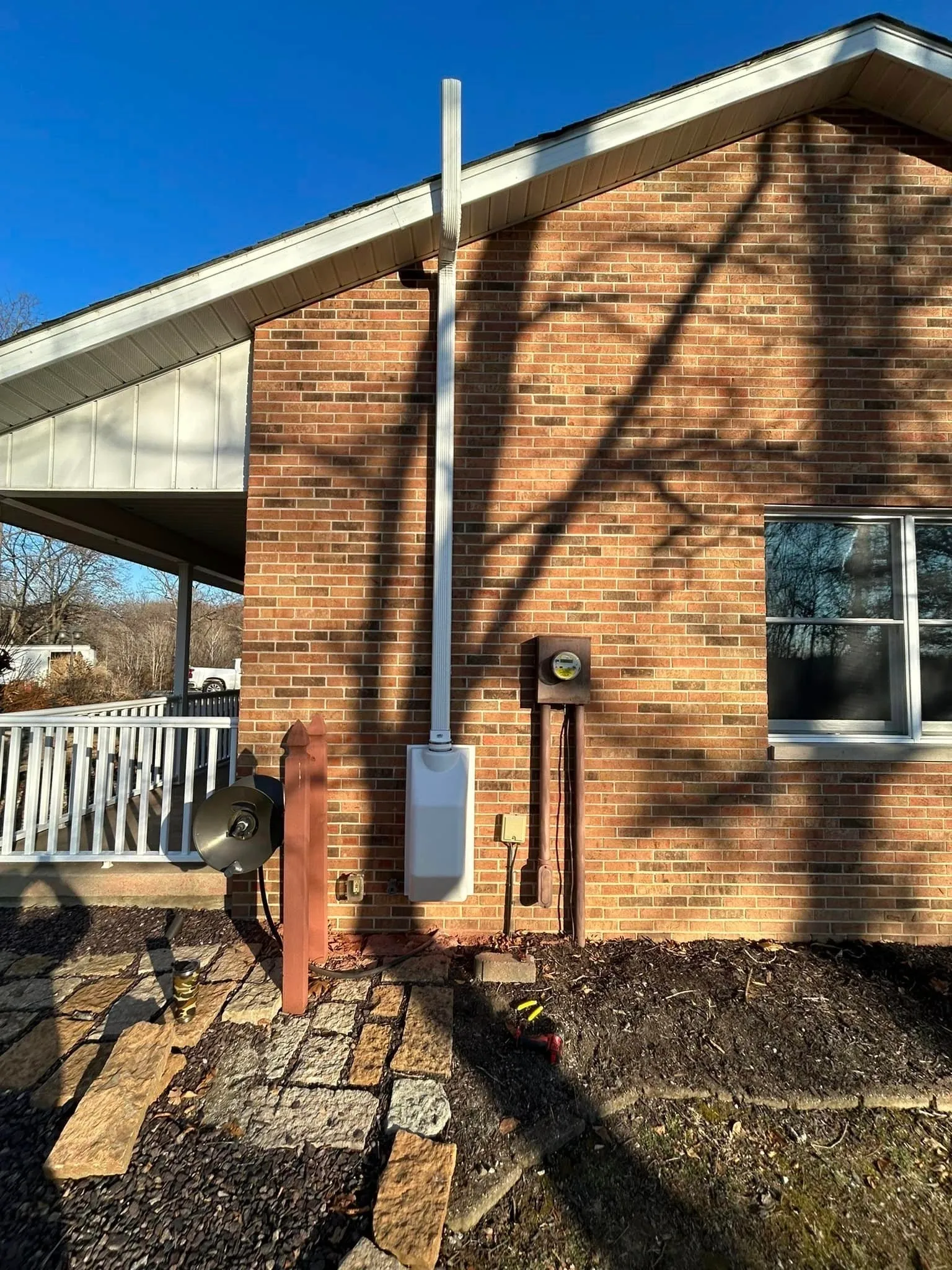
Also ask about the warranty on the radon fan and the rest of the system. A good fan should last at least 5 to 10 years, but it is a mechanical device. It can fail. Find out what happens if it does. Will the company come back and replace it at no charge for labor? What about the piping? Is it UV-protected if it runs outside? These details matter. I have seen systems where the pipe was not properly supported and sagged, creating a low spot where condensation collected and eventually blocked the airflow.
Radon and Indoor Air Quality
Radon is not the only threat to indoor air quality, but it is one of the most serious. The EPA estimates that radon causes about 21,000 lung cancer deaths per year in the United States. That makes it the second leading cause of lung cancer after smoking. If you smoke and live in a home with high radon, the risk multiplies. But even nonsmokers face a significant risk. The good news is that radon is a problem you can fix. Mitigation systems are reliable and relatively affordable, especially compared to the cost of treating a preventable illness.
Beyond radon, St. Louis homeowners should also think about moisture, mold, and VOCs. But radon is unique because it originates from the ground and cannot be filtered out by a standard HVAC filter. The only way to reduce it is to prevent it from entering the living space in the first place or to vent it before it accumulates. That is why a radon test st louis is the logical first step. You cannot address what you have not measured.
Practical Tips for Testing
- Test in the lowest livable area of your home, such as a basement or first-floor room with a crawlspace.
- Keep windows and doors closed as much as possible during the test period, especially 12 hours before and throughout the test.
- Place the test device at least 20 inches above the floor and away from drafts, heat sources, and exterior walls.
- Avoid testing during severe storms or when the ground is saturated, as moisture can affect some detectors.
- If you are using a short-term test, follow the lab's instructions exactly. Write down the start and end times.
The Bigger Picture for St. Louis
Missouri radon levels vary, but the St. Louis area has enough radon potential that every homeowner should test. I have tested houses in the same neighborhood where one house came back at 2.0 and the house next door came back at 8.0. The difference came down to the type of foundation and how well the soil was sealed. You cannot guess. You have to test. And if you do find a problem, act on it promptly. Radon mitigation is not a DIY project for most people. The equipment is specialized, and the installation requires knowledge of air pressure dynamics and local codes. A professional radon system installation ensures that the system will work safely and effectively.
Air Sense Environmental has been providing radon testing and mitigation services in the St. Louis area for years. They understand the local geology, the common foundation types, and the building codes. They also emphasize post-installation verification, which is a sign of a company that cares about results, not just revenue. Whether you are buying a new home, selling your current one, or just want to protect your family, a radon test is a small investment that pays off in peace of mind.
Do not wait until a health scare forces your hand. Order a test today. If the result is high, call a qualified mitigator. If it is low, test again in a different season. And if you ever have questions about radon measurement or remediation, reach out to a local expert who knows the area. Radon is a serious issue, but it is also a manageable one. The first step is simple: get a radon test st louis.